
Understanding the psychological strategies behind gambling decisions
Understanding the psychological strategies behind gambling decisions
The Allure of Gambling: Psychological Factors
The world of gambling is often painted with glamorous imagery, from vibrant casinos to the thrill of potential winnings. Yet, beneath this surface lies a complex interplay of psychological factors that entice individuals to take risks. The anticipation of winning—a powerful motivator—can trigger a rush of dopamine in the brain, making the experience both exciting and addictive. This biochemical response is a critical driver, as it conditions players to seek the high that comes with gambling, often leading them back to the tables or machines. For those looking to explore online gaming, knowing where to find the best payid pokies can enhance the experience.
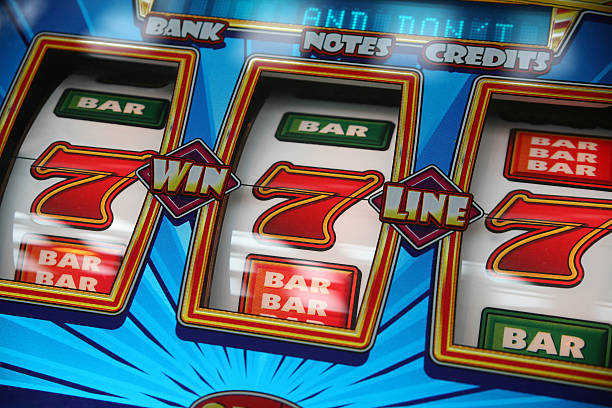
Moreover, social influences play a significant role in gambling decisions. Many individuals gamble within social settings where peer pressure can amplify their desire to participate. The presence of friends or acquaintances enjoying a game can create a bandwagon effect, leading others to join in for fear of missing out on the fun. This social dynamic feeds into the desire for social acceptance and belonging, highlighting how gambling often transcends mere financial interests.
Cognitive biases also significantly shape gambling behavior. For instance, the illusion of control can lead players to believe they have more influence over their outcomes than they actually do. This fallacy can manifest in various forms, such as players convincing themselves that their strategies will lead to consistent wins. Such misconceptions can foster a deeper engagement with gambling, blurring the line between entertainment and obsession.
Risk and Reward: The Decision-Making Process
The decision-making process in gambling is heavily influenced by the perceived risk versus reward dynamic. Players often weigh the potential gains against the likelihood of loss, which can lead to a complicated mental calculus. The thrill of high-stakes games can be particularly alluring, as players may find themselves drawn to the adrenaline rush associated with bigger bets. This attraction can skew rational judgment, leading individuals to make choices that they might not otherwise consider in more grounded contexts.
Framing effects also contribute to how individuals perceive risk in gambling situations. For instance, presenting a gamble in terms of potential gains rather than losses can lead to more aggressive decision-making. Players are more likely to take chances when they focus on the rewards rather than the risks involved. This psychological tactic is often exploited in advertising and casino promotions, where the focus is placed on the winnings rather than the likelihood of losing money.
Furthermore, cognitive dissonance can come into play during the gambling process. When individuals experience a loss, they may rationalize their behavior by emphasizing their previous wins or downplaying the financial impact of their losses. This mental gymnastics allows them to continue gambling, often leading to patterns of behavior that can spiral out of control. Understanding these psychological underpinnings can provide insights into why many gamblers find themselves trapped in cycles of betting and loss.
Emotional Triggers and Their Impact
Emotions significantly influence gambling behavior, with various emotional states driving individuals to gamble. Stress, boredom, and even happiness can trigger a desire to engage in gambling activities. For instance, individuals may turn to gambling as an escape from everyday stressors or to celebrate a positive life event. This emotional connection can make gambling appear appealing, even when it may not align with a person’s financial goals or values.
The concept of chasing losses is another crucial emotional trigger in gambling. When players experience a loss, they may feel compelled to continue gambling to recoup their lost funds. This can lead to a dangerous cycle, where individuals chase after their losses in the hope of eventual recovery, often leading to greater financial distress. Understanding this emotional dynamic can help individuals recognize when their gambling behavior is being driven by emotions rather than rational thought.
Moreover, the anticipation of winning can create a powerful emotional high, which can be addictively rewarding. The blend of excitement and hope can overshadow the rational assessment of the odds, leading players to make decisions that favor immediate gratification over long-term consequences. This emotional rollercoaster is what often keeps players returning, even in the face of significant losses, demonstrating the powerful role emotions play in gambling decisions.
Myths and Misconceptions about Gambling
Many myths surround gambling that can skew individuals’ understanding of their decision-making process. One prevalent misconception is the belief in “hot” and “cold” machines at casinos. Players often think they can identify machines that are more likely to pay out based on recent activity, leading to misguided strategies. In reality, most electronic games operate on random number generators, making past results irrelevant to future outcomes. This misunderstanding can lead to wasted time and money, as players chase after mythical trends.
Another common myth is the belief that gambling is a reliable way to earn income. While some individuals may experience temporary financial gains, the odds are statistically against the player in most games. This misconception often leads to dangerous gambling habits, where individuals may gamble beyond their means, believing they can ultimately overcome the odds. Education on the statistical realities of gambling can help dispel these myths and promote healthier decision-making.
Finally, the notion that gamblers can develop strategies to consistently beat the house is also misleading. While certain games involve skill, such as poker, most casino games are primarily based on chance. This can lead to unrealistic expectations and disappointment among players who believe they can manipulate outcomes through skill alone. A better understanding of the nature of gambling can help individuals engage with it more responsibly and with realistic expectations.
Enhancing Your Gambling Experience: Finding Trusted Platforms
Understanding the psychological strategies behind gambling decisions can significantly enhance your gaming experience, especially when selecting platforms to gamble on. The right online casinos offer not only exciting gaming options but also a safe environment that fosters responsible gambling. As you engage in gambling, choose platforms that promote transparency and provide tools for setting limits. These features can help you maintain control over your gambling activities, ensuring they remain enjoyable.
Moreover, it’s essential to explore casinos that offer educational resources about responsible gambling practices. Many reputable platforms recognize the importance of player education and provide information on how to recognize gambling addiction, manage risks, and make informed decisions. By familiarizing yourself with these resources, you can create a more enriching gambling experience that aligns with your personal values.
As you navigate the world of online gambling, remember that understanding the psychological motivations behind your decisions can lead to more informed choices. By opting for trusted platforms and employing responsible gambling practices, you can enjoy the thrill of the game while minimizing the risks associated with it. Your gaming experience can be both exciting and safe, allowing you to enjoy your time without compromising your financial health or emotional well-being.
