
Understanding the psychological triggers that drive casino behavior
Understanding the psychological triggers that drive casino behavior
The Allure of the Casino Environment
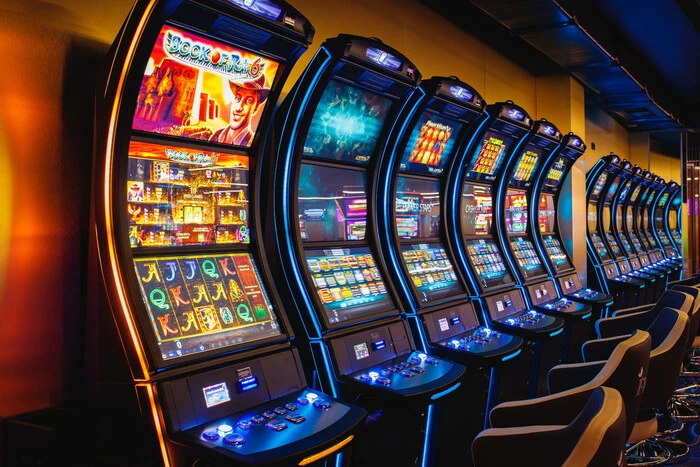
The environment of a casino is meticulously designed to captivate and engage visitors. Bright lights, vibrant colors, and the sounds of ringing machines create an atmosphere that encourages players to immerse themselves fully. This sensory stimulation can lead to an altered state of consciousness, making individuals more susceptible to gambling. Research shows that such environments can trigger excitement and anticipation, which are potent psychological motivators that drive individuals to engage in casino activities. As players explore their options, they might even want to check out payid casinos for a unique experience.

Moreover, casinos often employ the use of design elements such as open layouts and strategically placed amenities to prolong player engagement. For instance, the absence of clocks and windows fosters a sense of timelessness, causing players to lose track of time. The result is an atmosphere where players feel at ease spending more time—and money—gambling. This manipulation of physical space taps into psychological principles, enhancing the overall gambling experience.
The interaction between the casino environment and human behavior extends beyond just visual and auditory stimulation. The social aspect of gambling is another powerful psychological trigger. Casinos often foster a communal atmosphere where players share experiences, enhancing feelings of camaraderie and excitement. This social interaction can diminish the perception of risk, making individuals more inclined to gamble even when they might not have initially intended to do so.
The Role of Rewards and Reinforcement
The principle of reinforcement plays a significant role in gambling behavior. Casinos use various reward systems to encourage repeat play. Players often receive bonuses, loyalty points, or free spins, which activate the brain’s reward centers, similar to the way addiction operates. This positive reinforcement can create a cycle where players feel compelled to return, hoping to replicate their initial wins. Understanding this cycle is crucial for both players and operators, as it highlights the psychological grip that such rewards can have.
Variable reinforcement schedules are particularly effective in gambling. Unlike fixed schedules that provide rewards at set intervals, variable schedules reward players at unpredictable times. This unpredictability creates suspense and excitement, making it more likely for players to continue gambling in hopes of a win. Such mechanisms can lead to prolonged gambling sessions as players are kept on the edge of their seats, awaiting their next payout. This aspect of casino behavior demonstrates the complexity of human psychology in the realm of chance.
The phenomenon of loss aversion also contributes to gambling behavior. Research indicates that people tend to prefer avoiding losses over acquiring equivalent gains. In a casino context, this translates to players continuing to gamble in an attempt to recover losses. This psychological trap can result in significant financial consequences, as players often chase losses, ultimately leading them to spend more than they intended. Recognizing this trigger can help individuals make more informed decisions about their gambling activities.
The Influence of Emotions on Gambling Decisions
Emotions are powerful drivers of decision-making, and this holds particularly true in the gambling context. Players often experience a wide range of emotions, from excitement to anxiety, and these feelings can significantly impact their gambling behavior. For instance, the thrill of winning can lead to impulsive bets, while feelings of frustration may cause players to gamble more in an attempt to change their fortunes. Understanding how emotions influence decisions can help players navigate their gambling choices more effectively.
A study conducted on emotional responses found that players often make riskier bets when they are in a positive emotional state. This tendency to gamble more aggressively when feeling good can lead to bigger losses. Conversely, negative emotions can lead to the opposite effect, where players may withdraw from the gambling experience altogether. The duality of emotional influence underlines the complexity of gambling behavior and emphasizes the need for self-awareness among players.
Moreover, casinos often utilize promotional tactics that evoke emotional responses. For example, they may host events or tournaments that create excitement and urgency, compelling players to participate. By tapping into emotional triggers, casinos can effectively increase player engagement, demonstrating the significant role that emotions play in the gambling experience. Players must be conscious of these triggers to maintain control over their gambling activities.
Understanding the Psychological Impact of Gambling
The psychological impact of gambling extends far beyond mere enjoyment or entertainment. While many individuals gamble recreationally, for some, it can lead to serious psychological issues, including addiction. Gambling addiction is characterized by compulsive behavior, where individuals continue to gamble despite negative consequences. Understanding the psychological triggers that lead to such behavior is essential for prevention and treatment efforts.
Research indicates that individuals with a predisposition to certain psychological conditions, such as anxiety or depression, may be more susceptible to developing gambling problems. The thrill of winning can temporarily alleviate negative emotions, leading individuals to seek out gambling as a coping mechanism. This cycle can create a dangerous relationship with gambling, as players may become reliant on it for emotional relief, ultimately leading to destructive behaviors.
Furthermore, societal attitudes toward gambling can also influence individual behavior. In cultures where gambling is viewed as socially acceptable, individuals may be more likely to engage in gambling activities without recognizing potential risks. Promoting responsible gambling practices and educating players about the psychological triggers that can lead to harmful behavior is crucial in fostering a healthier gambling environment.
Exploring Responsible Gambling Resources
In the ever-evolving world of online gaming, it is essential to prioritize responsible gambling practices. Many casinos now offer resources designed to promote safe gambling behavior among players. These resources may include self-exclusion options, where individuals can voluntarily restrict themselves from gambling activities for a specified period. Such tools empower players to take control of their gambling habits, providing an essential safeguard against potential addiction.
Furthermore, casinos often provide educational materials that outline the risks associated with gambling. These materials aim to inform players about the psychological triggers that drive gambling behavior, helping them make informed decisions. By fostering a culture of awareness and responsibility, casinos can contribute to the overall well-being of their players, ensuring that gambling remains a source of entertainment rather than a detrimental activity.
In conclusion, understanding the psychological triggers that drive casino behavior is vital for both players and casino operators. By recognizing the environmental, emotional, and psychological factors at play, individuals can navigate their gambling experiences more effectively. Furthermore, with resources available that promote responsible gambling, players can enjoy their time in casinos while minimizing potential risks. As the gambling landscape continues to evolve, prioritizing awareness and responsibility is key to fostering a healthy gaming environment.
